Almost everyone has a paint story. The soft gray that went baby blue. The warm white that turned yellow. The “perfect neutral” that looked faintly pink by evening. The paint wasn’t defective. It did exactly what paint does: it reacted to the light in the room and to the colors around it. Learn two ideas, undertone and LRV, and paint becomes far more predictable.
Undertones: the color inside the color
Most paint colors, especially neutrals, are mixtures. A gray might contain a little blue, green or violet; a beige might lean pink, yellow or green. That hidden tint is the undertone, and it’s what shows up on a large wall in changing light.
How to see it:
- Compare, don’t isolate. Hold the chip next to other versions of the same color family, such as several grays. Side by side, one will look clearly bluer, another greener.
- Use pure white paper. Against bright white, undertones jump out.
- Look at the darkest chip on the strip. The deepest color on a manufacturer’s card often reveals the undertone of the lighter colors above it.
LRV: how much light a color gives back
Light Reflectance Value is a number from 0 (absolute black) to 100 (perfect white) that measures how much visible light a color reflects. Most paint manufacturers print it on the chip or list it online.
- LRV 70 and up: whites and very light colors. They bounce light around and make rooms feel bigger.
- LRV 50 to 70: light-to-mid tones. The comfortable range for most living spaces.
- LRV 20 to 50: mid-to-deep colors. Rich and enveloping; they need good lighting.
- Below 20: very deep colors. Dramatic in dining rooms, libraries and powder rooms.
LRV is especially useful in dim rooms and in places like North Idaho with long, gray winters. A color with an LRV of 60 will feel noticeably brighter in December than one at 45, even if the chips look similar in the store.
Orientation changes everything
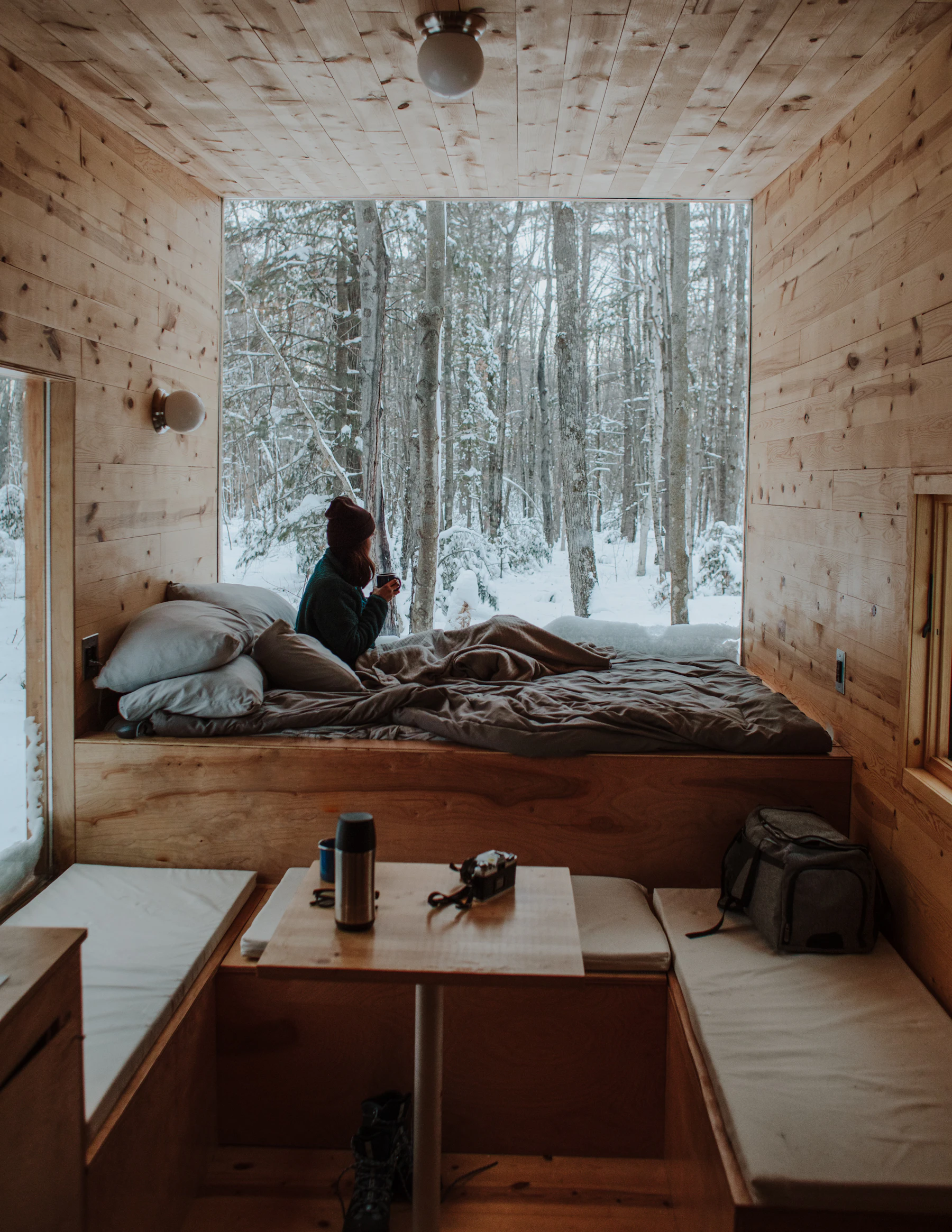
- North-facing rooms get cool, indirect light all day. Cool colors can feel cold; warmer neutrals and colors with yellow or red undertones balance them.
- South-facing rooms get warm, bright light. Almost anything works, and cool colors can be refreshing.
- East-facing rooms are warm and bright in the morning, cooler and dimmer in the afternoon.
- West-facing rooms are cooler in the morning and glow golden, sometimes orange, in late afternoon.
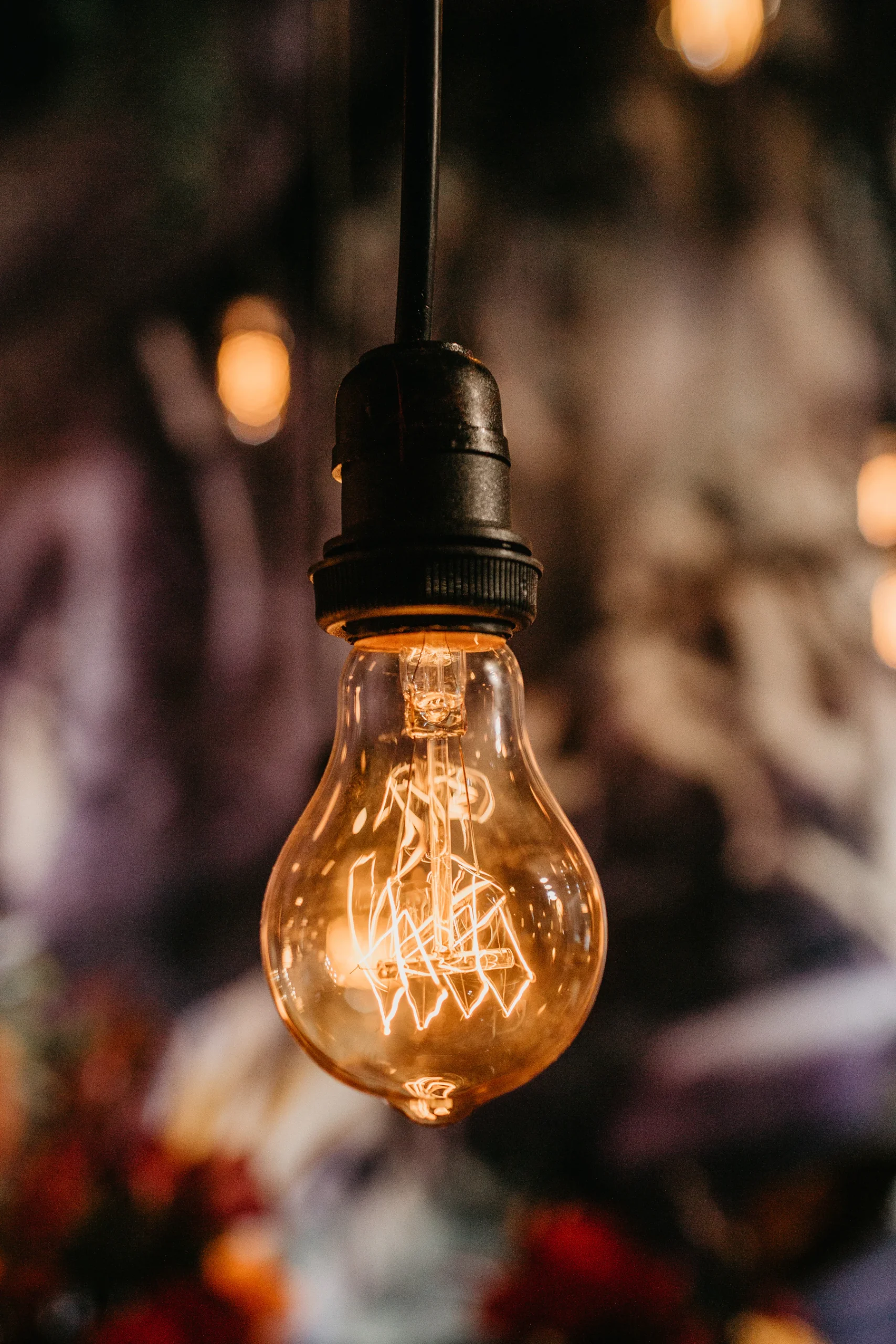
Artificial light matters too. The same paint looks different under warm 2700K bulbs than under cool 4000K bulbs. See choosing light bulbs.
Sheen: the other half of the decision
Sheen changes how a color reads and how a wall wears. Flat and matte finishes hide imperfections and look rich but scuff more easily. Eggshell and satin are the usual choice for living areas and bedrooms. Semi-gloss suits trim, doors and cabinetry, where durability matters and a little shine highlights the profiles. Higher sheen also makes a color look slightly lighter and more saturated.
How to test paint properly
- Narrow to two or three candidates using undertone and LRV.
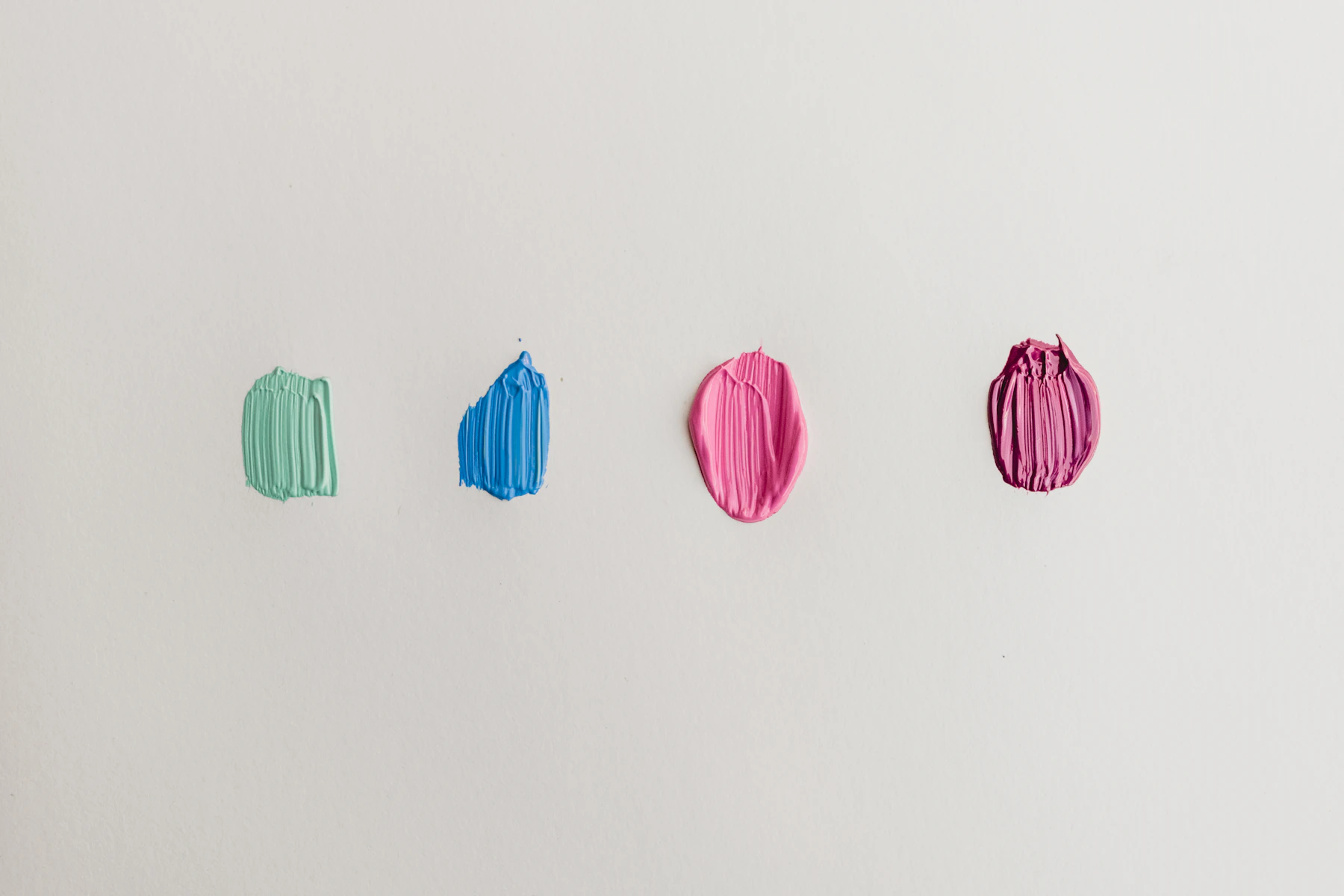
- Buy samples and paint large swatches, at least two feet square, or paint poster boards you can move around.
- Place them on different walls: next to the window, in the darkest corner, beside the trim and the floor.
- Look at them in morning, midday, evening and under your lamps at night, for at least two days.
- Never judge a color next to the old wall color; it skews your eye. Surround the sample with white board if needed.
The takeaway
The chip shows a color; the wall shows a color in your light, next to your floors. Identify undertones, use LRV to control brightness, respect the room’s orientation and test big. Then use the paint estimator to buy the right amount.
Further reading
- Light reflectance value (Wikipedia)