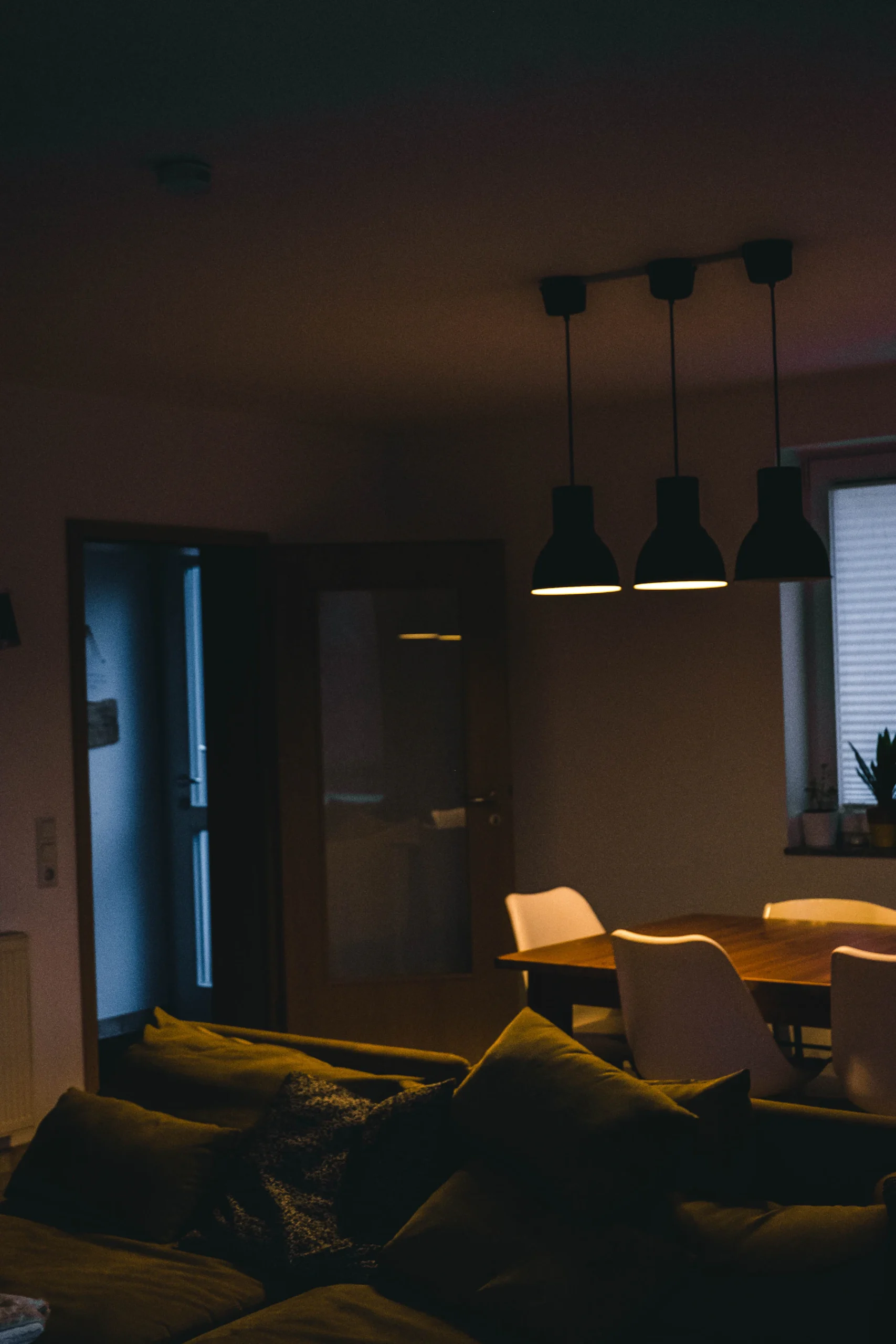
You chose the paint carefully, the fabrics, the rug. Then the electrician installed bright blue-white bulbs and the whole room looked like a dentist’s office. Light bulbs are the most overlooked decision in a room, and one of the cheapest to fix. Three numbers on the box tell you nearly everything.
1. Color temperature (Kelvin)
Color temperature describes how warm (yellow-orange) or cool (blue-white) light looks. It is measured in kelvins (K), and lower numbers are warmer.
| Kelvin | Looks like | Best for |
|---|---|---|
| 2200–2700K | Warm, candle-like to classic incandescent | Living rooms, bedrooms, dining rooms, lamps |
| 3000K | Soft white, slightly crisper | Kitchens, bathrooms, whole-house compromise |
| 3500–4000K | Neutral to cool white | Garages, workshops, laundry, task areas |
| 5000K and up | Bluish “daylight” | Rarely flattering in homes; studios and utility spaces |
Most residential designers default to 2700K in living spaces and 2700K to 3000K in kitchens and baths. Warm light flatters skin, wood and textiles, and our bodies associate it with evening and relaxation.
2. Brightness (lumens, not watts)
Watts measure energy used, not light produced. With LEDs, a bulb that once took 60 watts now uses about 8 to 10. Shop by lumens instead:
- About 450 lumens ≈ an old 40-watt bulb
- About 800 lumens ≈ an old 60-watt bulb
- About 1,100 lumens ≈ an old 75-watt bulb
- About 1,600 lumens ≈ an old 100-watt bulb
Rooms with darker walls (lower LRV), higher ceilings or older occupants need more lumens. Our eyes need noticeably more light as we age.
3. Color Rendering Index (CRI)
CRI measures how accurately a light source shows colors compared with natural light, on a scale up to 100. Cheap bulbs often score around 80, which can make reds look muddy, skin look sallow and that carefully chosen paint look slightly off.
For homes, look for CRI 90 or higher, especially in kitchens (food should look appetizing), bathrooms (makeup and grooming), closets (clothing) and anywhere you’ve invested in art, fabrics or paint. Some packaging also lists “R9,” a measure of how well deep reds render; higher is better.
Other things to check on the box
- Dimmable. Not all LEDs are. If the fixture is on a dimmer, the bulb must say so, and work with that dimmer, or it may flicker or buzz.
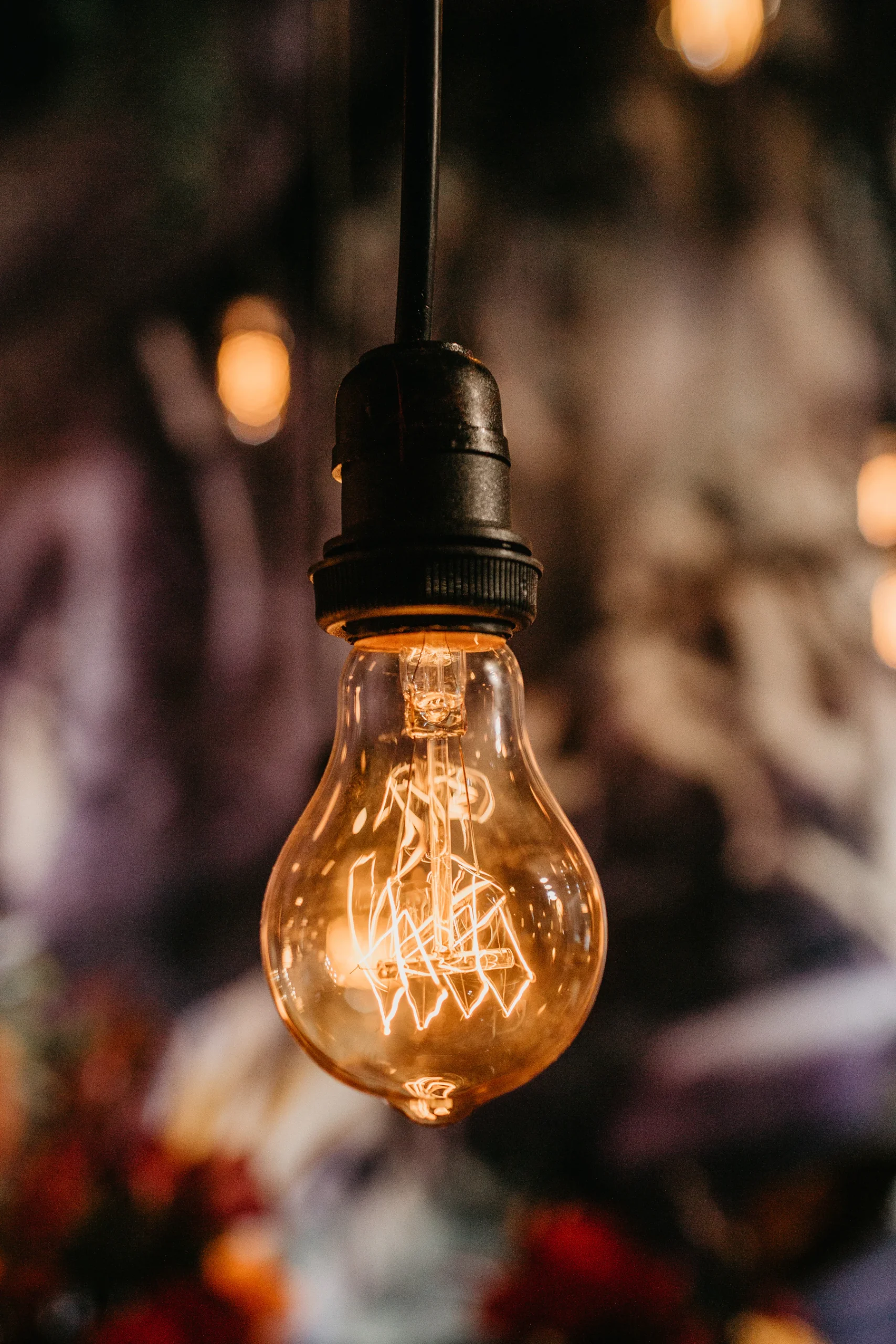
- Beam and shape. Use bulbs with an appropriate shape for open fixtures (decorative filament bulbs look lovely but can be glary at high brightness).
- Warm-dim bulbs. These shift warmer as they dim, mimicking incandescent. Lovely in dining rooms and bedrooms.
- ENERGY STAR certification indicates tested efficiency and lifespan.
Room-by-room cheat sheet
- Living and family rooms: 2700K, CRI 90+, dimmable.
- Dining room: 2700K or warm-dim, CRI 90+, always on a dimmer.
- Kitchen: 2700–3000K, CRI 90+, with bright under-cabinet task lights.
- Bathroom: 2700–3000K, CRI 90+, lights beside the mirror at face height.
- Bedroom: 2700K or warmer; bedside lamps on separate switches.
- Garage, workshop, laundry: 3500–4000K is fine where accuracy and alertness matter more than mood.
The takeaway
Before you repaint a room you don’t love, change the bulbs. Choose warm color temperatures, a high CRI and enough lumens, keep them consistent, and put them on dimmers. It’s the least expensive design upgrade there is. For the bigger picture, read layered lighting.
Further reading
- The lumen, the unit of brightness (Wikipedia)
- Color rendering index and color temperature (Wikipedia)