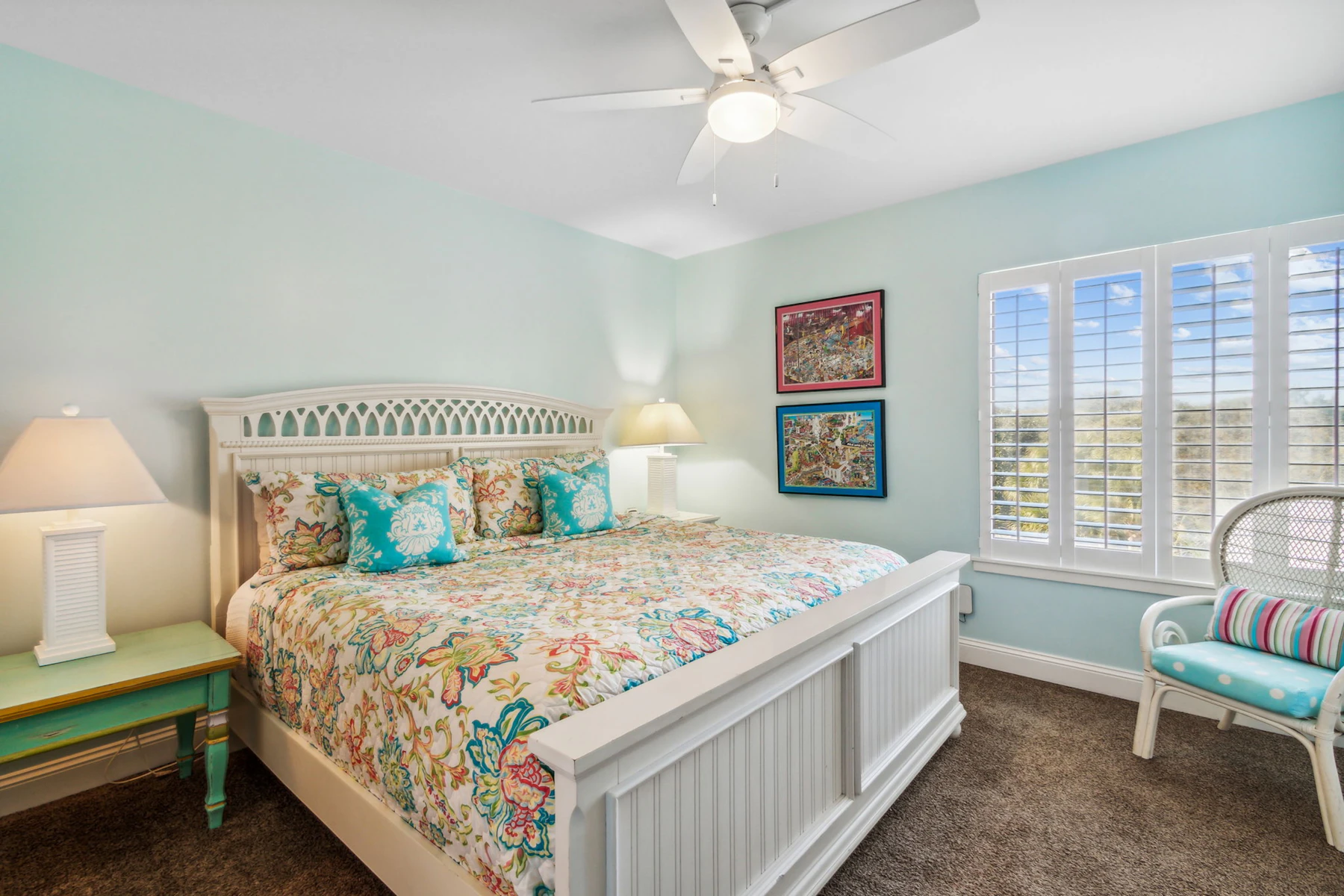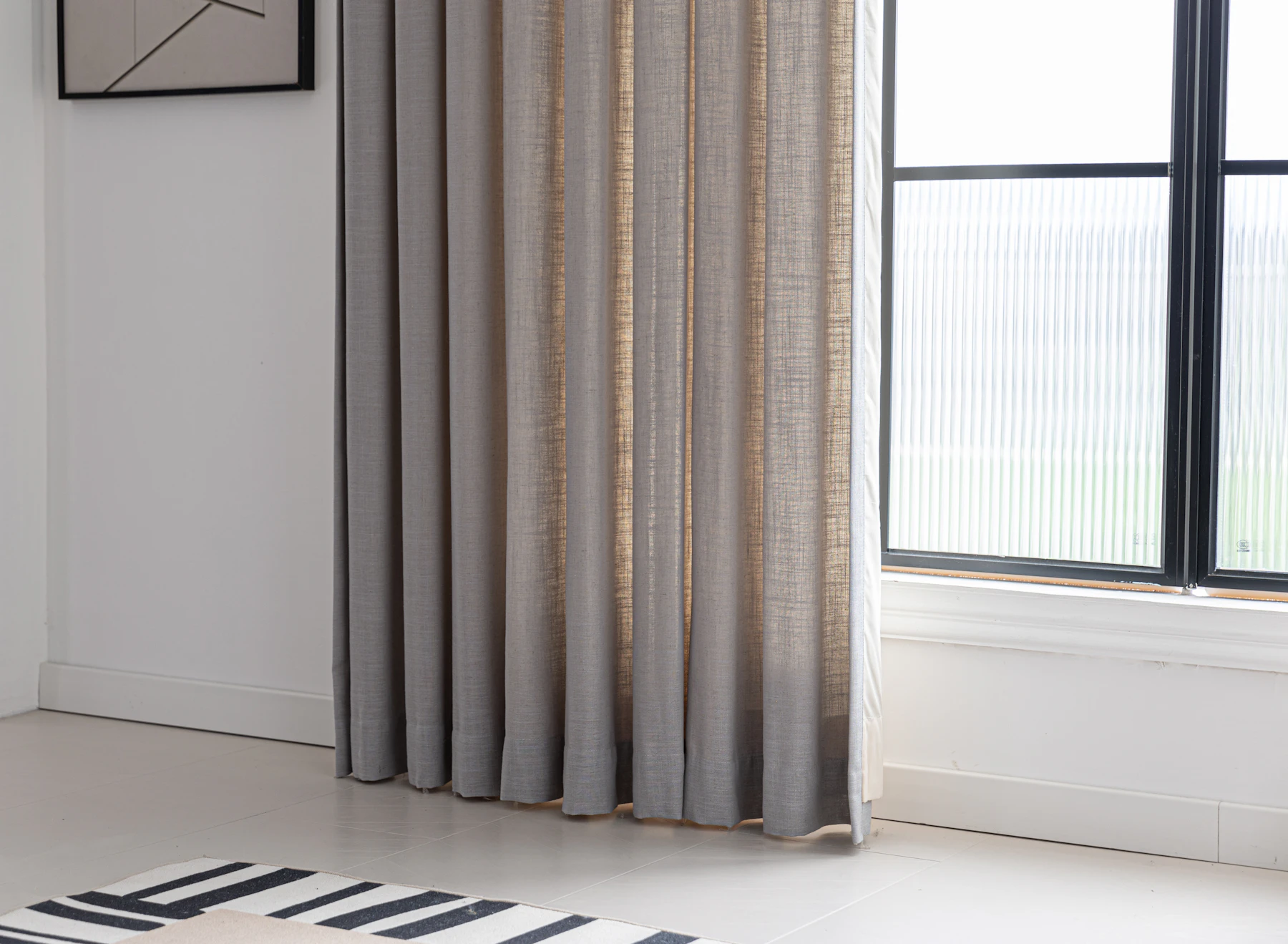
Of all the quick changes that make a room look professionally designed, this is near the top: hang the curtains higher and wider. It costs little more than a longer rod, and it makes windows look larger, ceilings look taller and the whole room look more generous.
Why “high and wide” works
Curtains hung right at the top of the window frame cut the wall in half visually and emphasize how low the ceiling is. Panels that cover the edges of the glass when open block daylight and make the window look narrow. Raising and widening the rod tricks the eye: it reads the whole span of fabric as the window. Meanwhile the glass stays completely clear, so you gain light too.
Height: closer to the ceiling than you think
- Minimum: 4 to 6 inches above the top of the window trim.
- Better: about two-thirds of the way from the top of the trim to the ceiling, or just below the crown molding.
- With a short gap (less than about 12 inches between trim and ceiling), mount the rod an inch or two below the ceiling.
- Consistency: keep all rods in a room at the same height, even if the windows differ.
Width: let the panels stack on the wall
Extend the rod 8 to 12 inches beyond each side of the window frame, more for heavy, lined drapery, which stacks more bulk when open. The goal is for the open panels to rest on the wall, framing the window rather than covering it.
Length: four choices
- Float (about ½ inch above the floor): crisp and practical; easy to clean around and good for homes with pets or robotic vacuums.
- Kiss (just touching the floor): the tailored, custom-made look and the most popular choice.
- Break (1 to 2 inches extra): a slight bend at the hem, relaxed and forgiving of uneven floors.
- Puddle (3 inches or more): romantic and traditional, best in formal rooms with little foot traffic.
What to avoid: curtains that stop at the windowsill or hover several inches above the floor (the “high-water” look), unless they are deliberately café curtains or sill-length in a kitchen or bath.
Lining matters
Lined drapery hangs better, lasts longer, protects the face fabric from sun fading and looks consistent from the street. Interlining (a soft flannel layer between face and lining) adds body and insulation, which is valuable in North Idaho winters. Blackout lining is ideal for bedrooms.
Hardware
Scale the rod to the room: a slender rod disappears in a two-story room; a chunky one overwhelms a small bedroom. Use a center support bracket on wide spans, return rods or wraparound rods on bedrooms for light control, and rings or ripplefold tracks for easy operation. Finials are the jewelry. Choose them to suit the room’s style and other metals.
The quick formula
Rod width = window width + 16 to 24 inches. Rod height = two-thirds of the way between trim and ceiling. Panel length = rod height minus about ½ inch for a kiss. Total fabric width = 2 to 2½ × rod width. Or let the curtain calculator do it.
The takeaway
Go higher, go wider, go fuller and go to the floor. Your windows will look larger, your ceilings taller and your room more finished, and you’ll get more daylight too. Considering other options? Read shutters, shades, blinds or drapery.