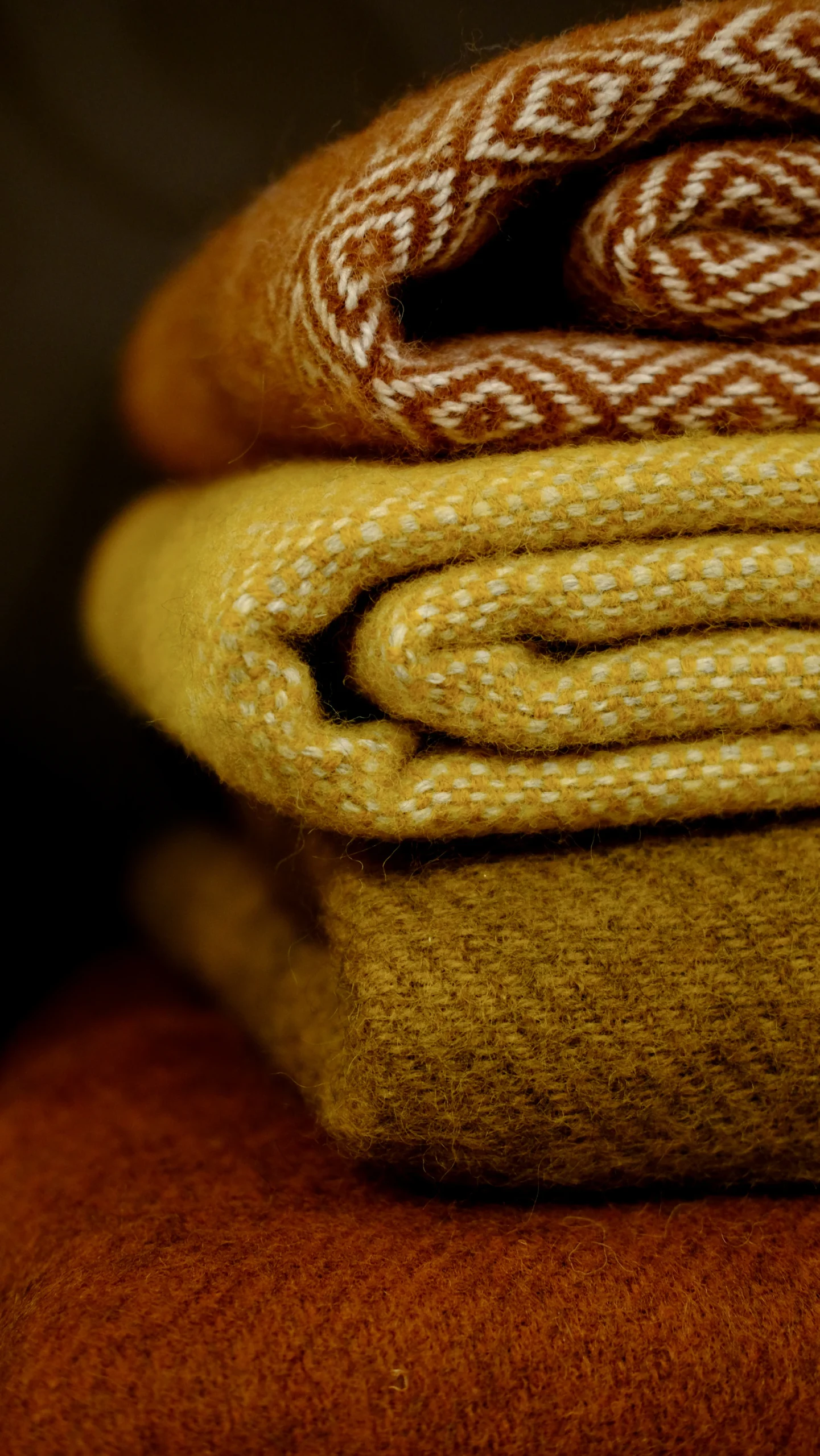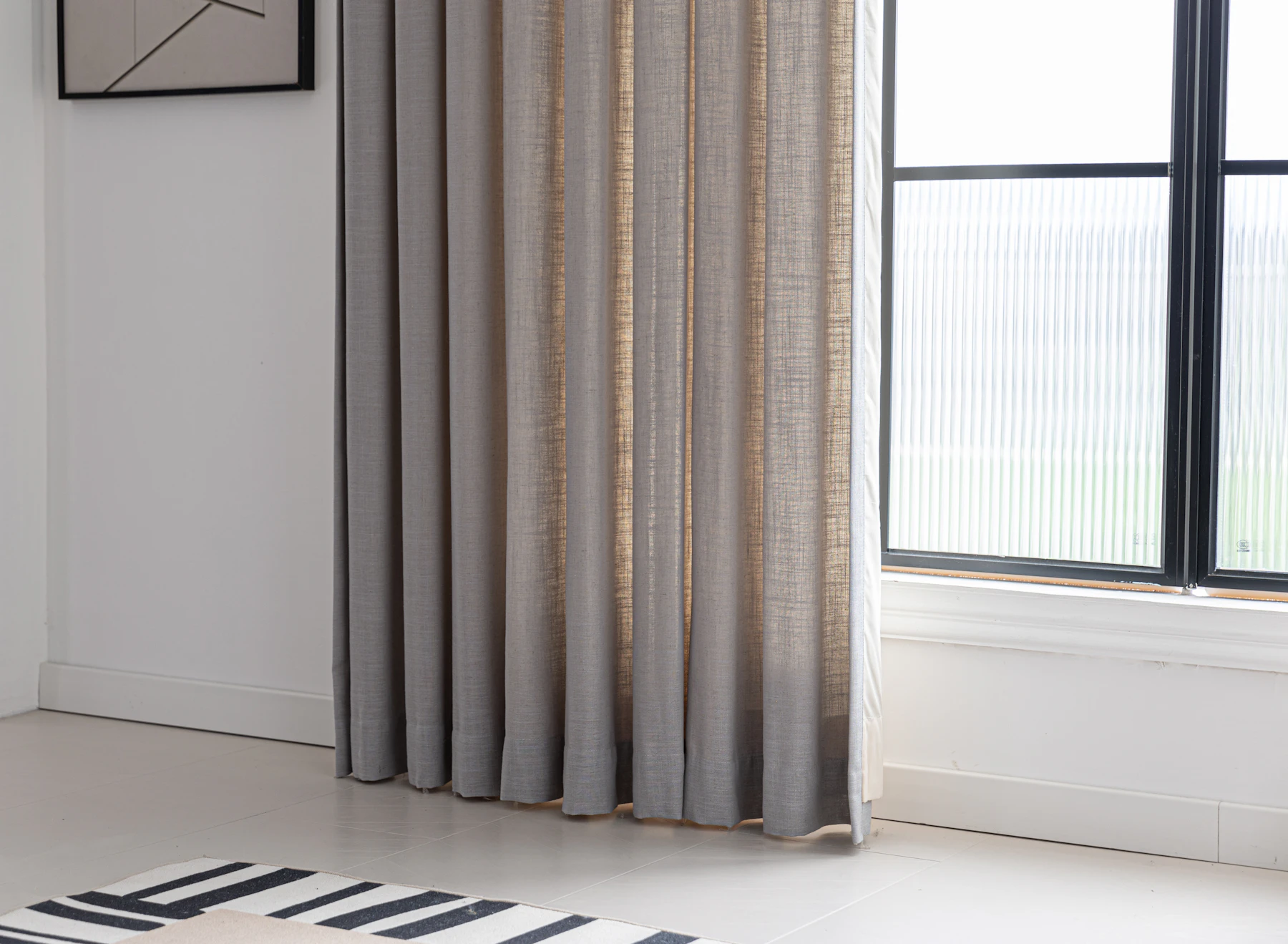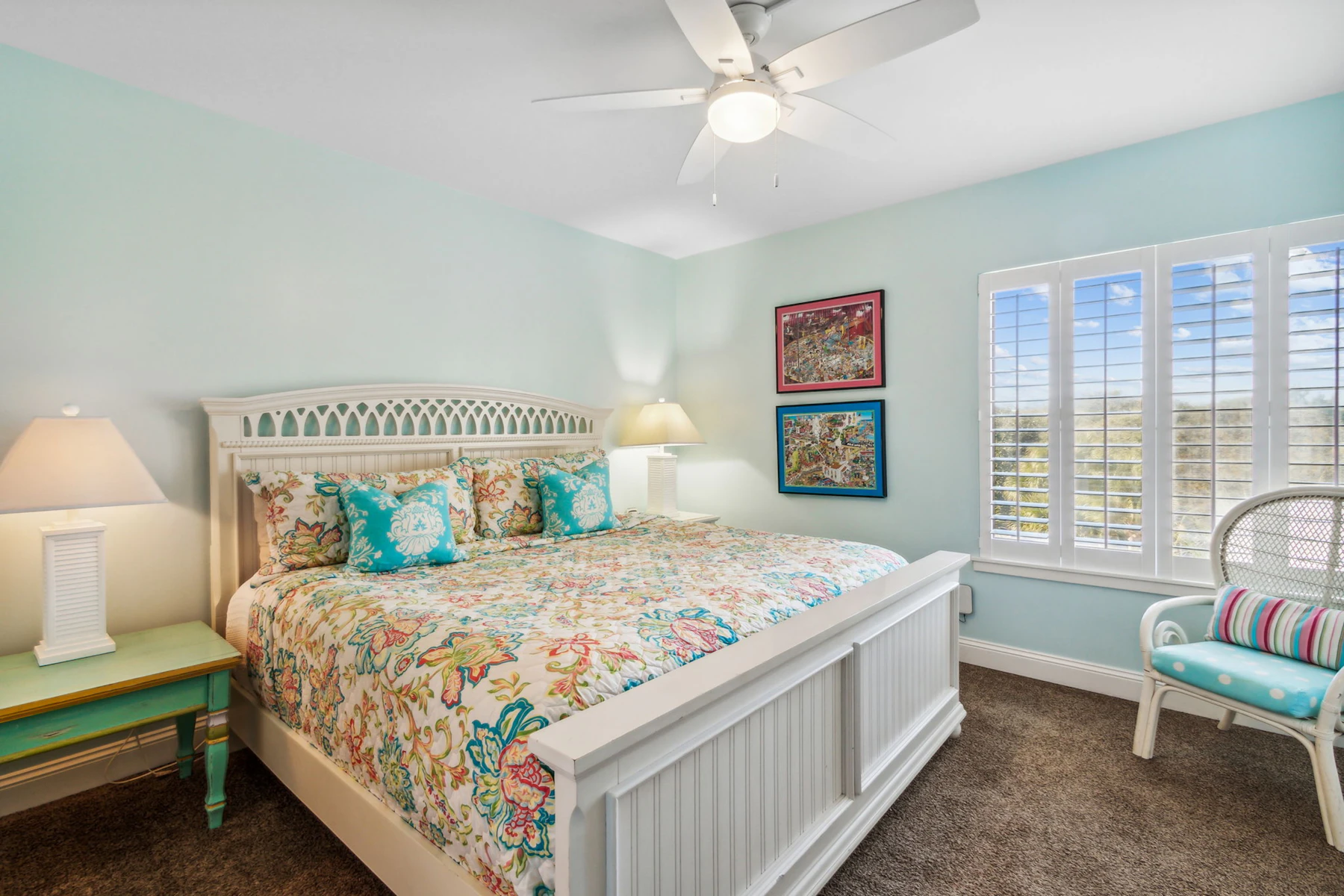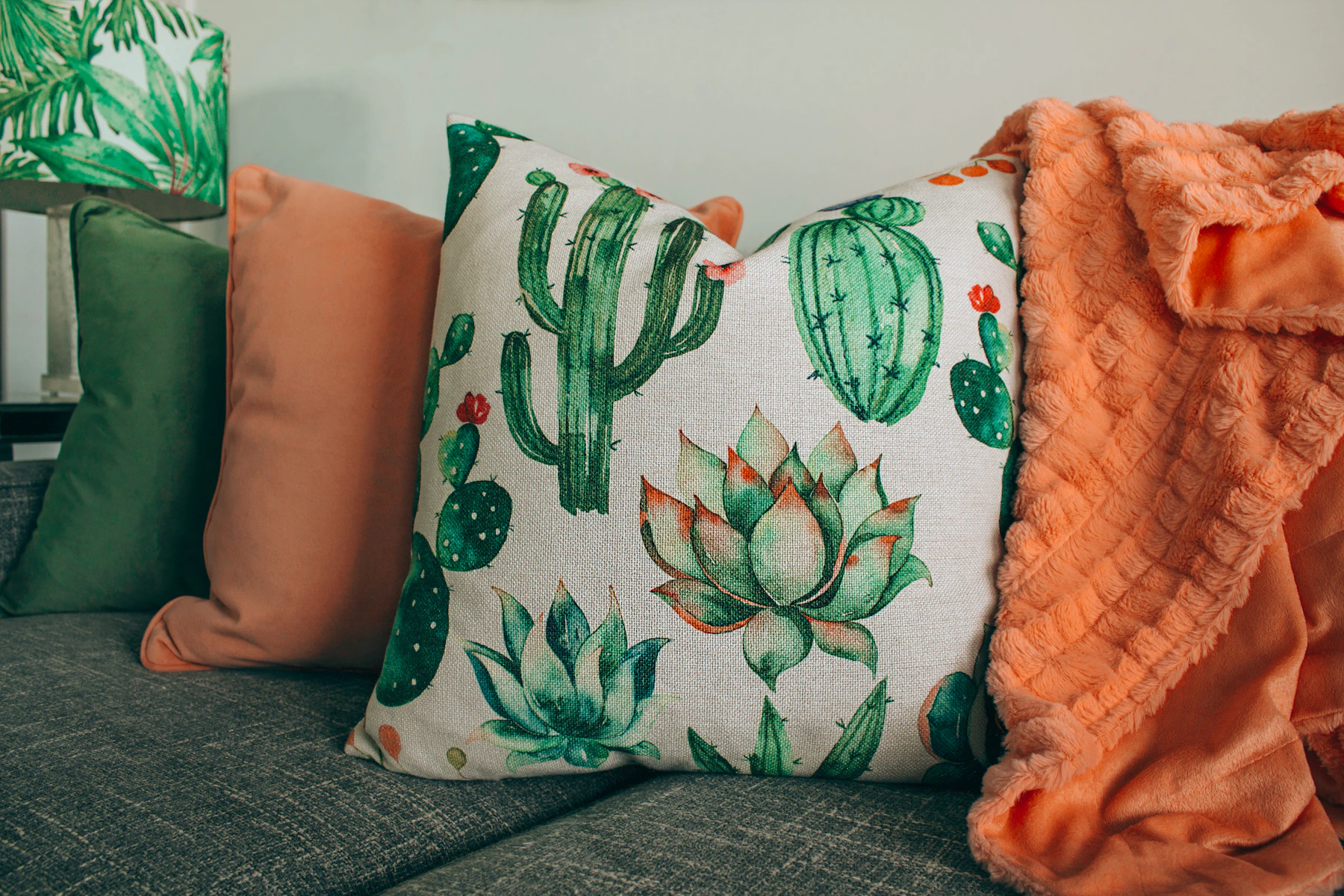
A room with no pattern can feel safe and a little sleepy. A room with patterns piled on carelessly can feel like a fabric store exploded. In between is the layered, collected look of the best English country houses, Southern parlors and the eclectic rooms Von is known for, where florals, stripes, plaids and prints all seem to have been chosen by the same confident hand.
It looks like instinct. It’s mostly three principles.
1. Vary the scale
This is the most important rule. Patterns of the same size compete; patterns of different sizes cooperate. A reliable combination:
- One large-scale pattern, such as a big floral, a bold ikat or a large medallion, usually on the largest surface: drapery, a rug, wallpaper or a statement chair.
- One medium-scale pattern, such as a stripe, a mid-size plaid or a trellis, on a secondary piece.
- One small-scale pattern, such as a tiny check, a pin dot or a small geometric, on pillows, a lampshade or trim. From across the room, small patterns read almost as texture.
2. Share a color thread
Patterns that share at least one color look related, like members of the same family. Pull your palette from the large-scale “anchor” pattern and choose the others to echo its colors. They don’t have to match exactly; a common undertone or a repeated accent is enough. If you’re working out your color proportions, the 60-30-10 rule helps.
3. Mix pattern types
Combine different families of pattern so they don’t compete for the same role:
- Organic: florals, botanicals, paisleys, toiles
- Geometric: stripes, checks, plaids, chevrons, trellises
- Textural and global: ikats, suzanis, kilims, block prints, damasks
A floral with a stripe and a small check is a classic for a reason: organic, linear and grid, each at a different scale.
Give the eye somewhere to rest
Pattern needs breathing room. Balance patterned pieces with solids: a solid sofa with patterned pillows, a patterned rug with plain walls, or patterned walls with solid upholstery. Plain textures, such as linen, velvet and wool, are particularly good partners because they add interest without adding busyness. (See texture.)
Distribute patterns around the room rather than clustering them. If all the pattern is on one sofa, the room looks lopsided.
Where to begin if you’re nervous
- Pick one patterned fabric or rug you truly love. That’s your anchor.
- Pull two or three colors from it.
- Add a stripe or geometric in a smaller scale using one of those colors.
- Add a tiny print or a textured solid in another of those colors.
- Repeat each pattern at least twice in the room: pillows and a lampshade, drapery and a chair cushion.
Lay the fabric samples together on the floor or a sofa and step back. From six feet away, do they look like a family? If one jumps out, it’s either too big, too bright or not sharing enough color.
A note on toile
Toile de Jouy (pastoral scenes in a single color on a light ground) is a wonderful anchor pattern. The red toile walls of Von’s former showroom proved how well it plays with florals, checks and solids. Because toile is monochromatic, it combines easily with almost any pattern that shares its color.
The takeaway
Vary the scale, connect with color, mix pattern families and leave room for solids. Start with three and build. Pattern is one of the most personal ways to make a house look like you, and one of the most fun.