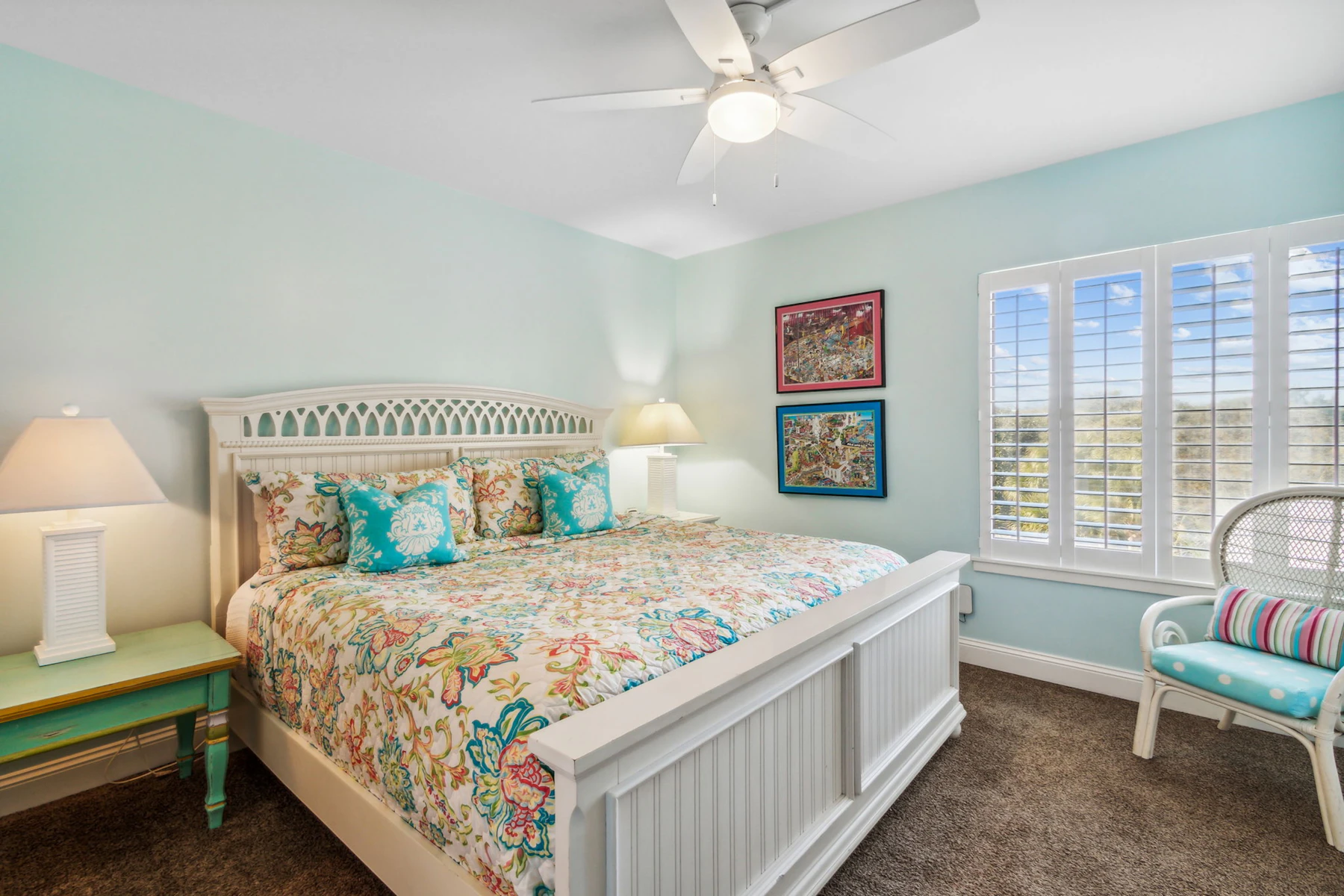
You’ve probably seen it: a room with a perfectly pleasant color scheme, good furniture and nice art that still feels flat, like a photograph of a room rather than a place to live. Almost always, what’s missing is texture.
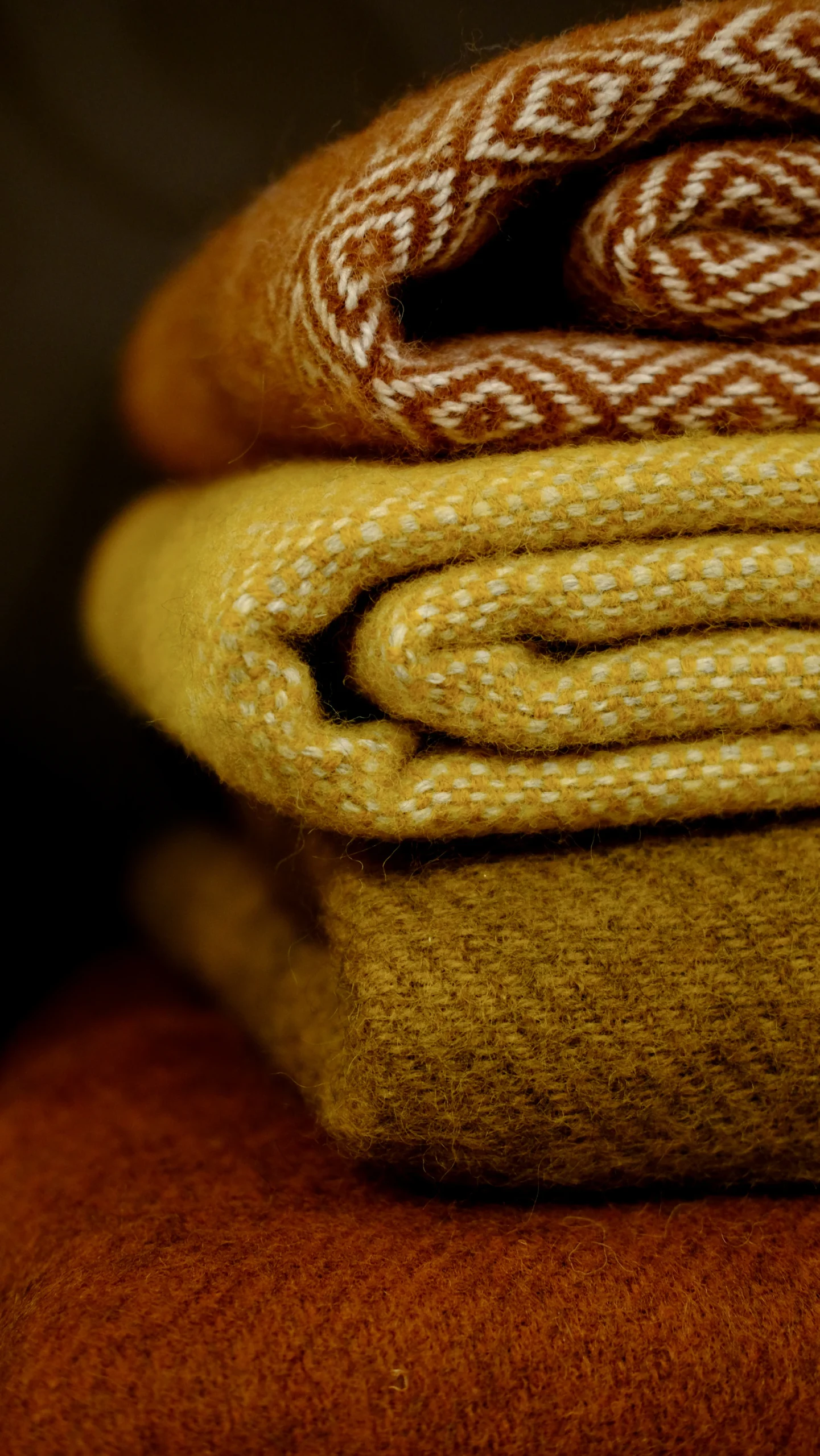
Texture is the surface quality of things, how they feel or look like they would feel. Nubby wool, smooth leather, rough stone, glossy lacquer, crisp linen, soft velvet, weathered wood. It adds depth, warmth and interest that color alone can’t provide.
Why texture matters so much
Texture changes how light behaves. Rough and matte surfaces absorb and scatter light, creating tiny shadows that read as depth and warmth. Smooth and shiny surfaces reflect light, adding sparkle and a cooler, crisper feel. A room made only of smooth, flat surfaces looks sterile; a room of only rough ones looks heavy. The interplay is what makes a room feel alive.
Texture also appeals to touch, a sense we rarely think about in design but use constantly. We sink into a sofa, run a hand along a table, pull a throw over our knees. Rooms that feel good to touch feel good to be in.
Two kinds of texture
- Tactile texture is physical: the weave of a rug, the grain of oak, the hammered surface of copper.
- Visual texture is implied: a small-scale pattern, the veining in marble, a grasscloth wallpaper, a painting with visible brushstrokes. It reads as texture from across the room.
How to layer texture
- Start with the big surfaces. Flooring, walls and large furniture set the base: wide-plank wood, a wool or jute rug, a linen or velvet sofa, plastered or papered walls.
- Add contrast at the middle scale. A leather chair beside a linen sofa; a rough stone fireplace beside smooth painted trim; a glass lamp on a wood table.
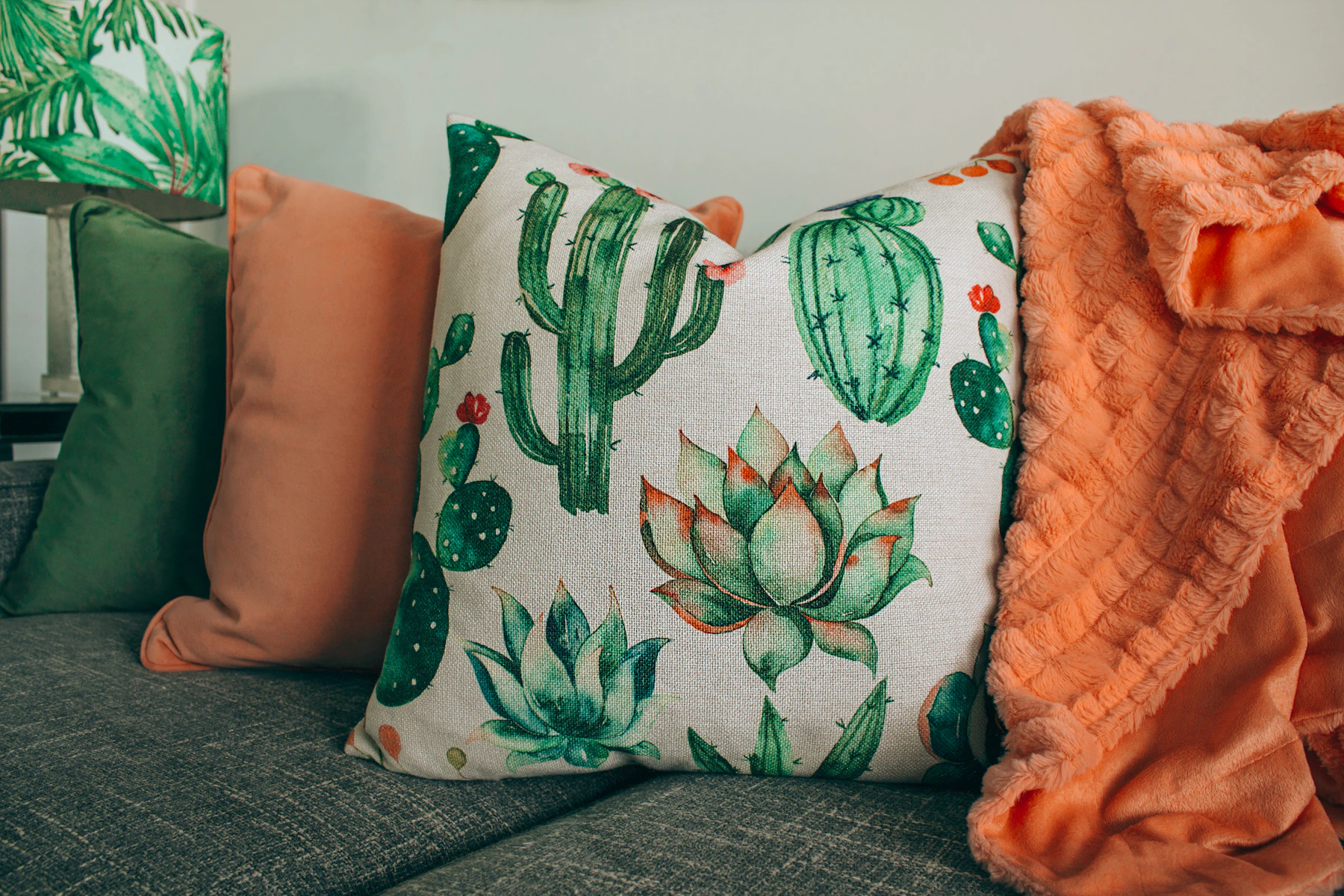
- Finish with small, touchable layers. Knitted throws, velvet or bouclé pillows, woven baskets, ceramic vases, books, a bowl of polished stones.
Neutral rooms need texture most
The quieter the color palette, the more texture has to work. An all-cream room in matching smooth fabrics looks like a hotel. The same palette in bouclé, linen, chunky knit, raw wood, travertine, aged brass and a sheepskin looks rich and deliberate. If you love neutrals, think of texture as your color.
Texture and the seasons
Texture is the easiest way to change a room’s mood with the seasons, which is very useful in North Idaho. In winter, layer wool throws, velvet pillows, a sheepskin on a chair and heavier lined drapery. In summer, swap to cotton, linen, lighter throws and baskets. The furniture stays; the feeling changes. (More on designing for North Idaho’s seasons.)
Antiques add texture no one can manufacture
A century of polishing on a walnut sideboard, the soft wear on a leather chair, the crackle in old porcelain: patina is texture earned over time. It’s one of the reasons Von loves to mix antiques into new rooms. A single old piece can give a modern room the depth that otherwise takes years to develop. See the mix, not the match.
Practical notes
- Durable textures (performance fabrics, leather, tight weaves) belong where people and pets sit daily; delicate silks and loose weaves belong where they are admired.
- Heavily textured rugs (high pile, loops) catch more dirt and can snag pet claws. Use them in low-traffic rooms.
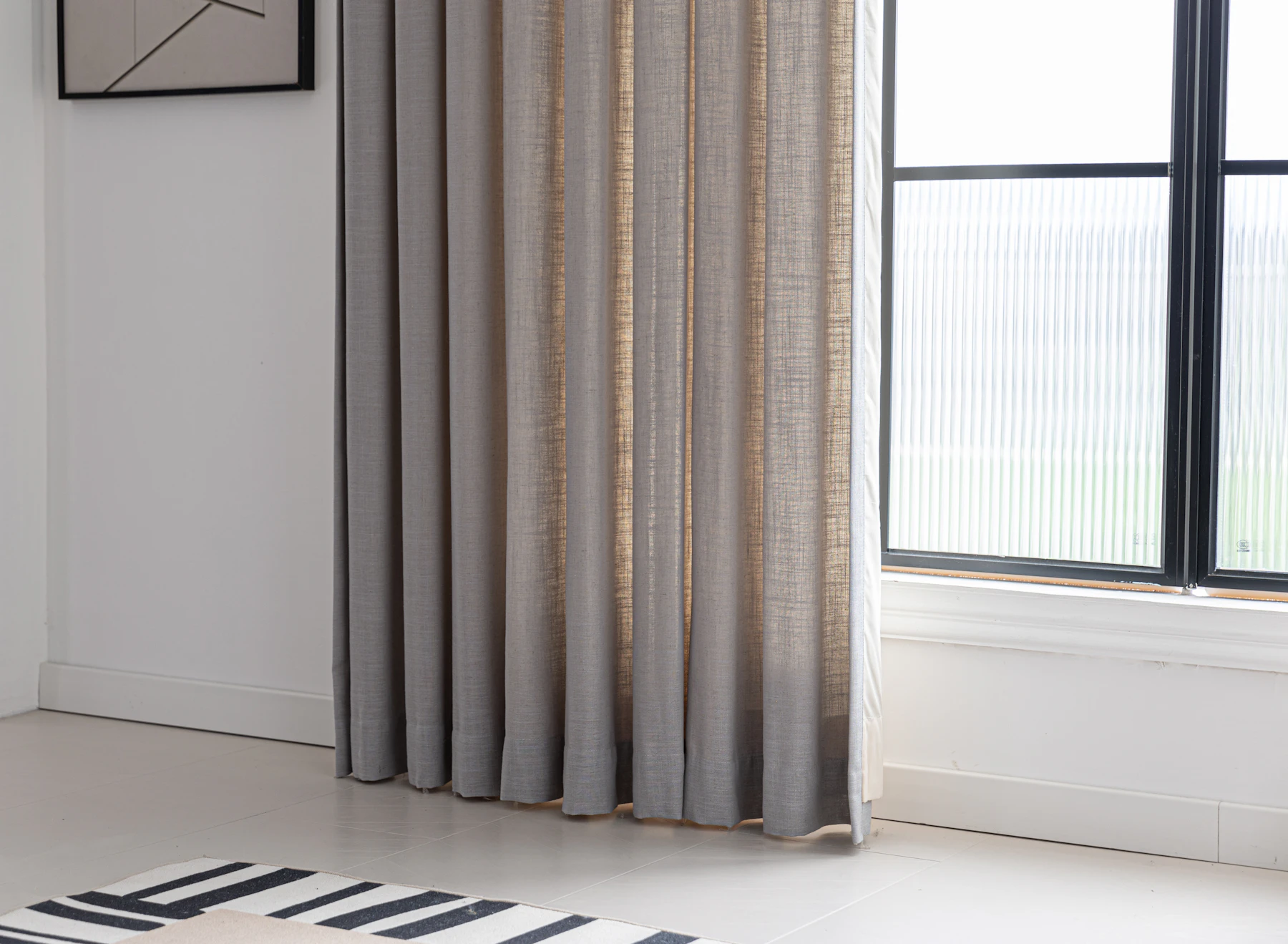
- Soft textures absorb sound. Rugs, upholstery and drapery are the cure for echoey rooms with high ceilings and hard floors.
The takeaway
When a room feels flat, don’t reach for a new color. Reach for a new texture. Layer from large to small, pair opposites and let a few aged pieces add depth. It’s the difference between a room that looks good and a room that feels good.