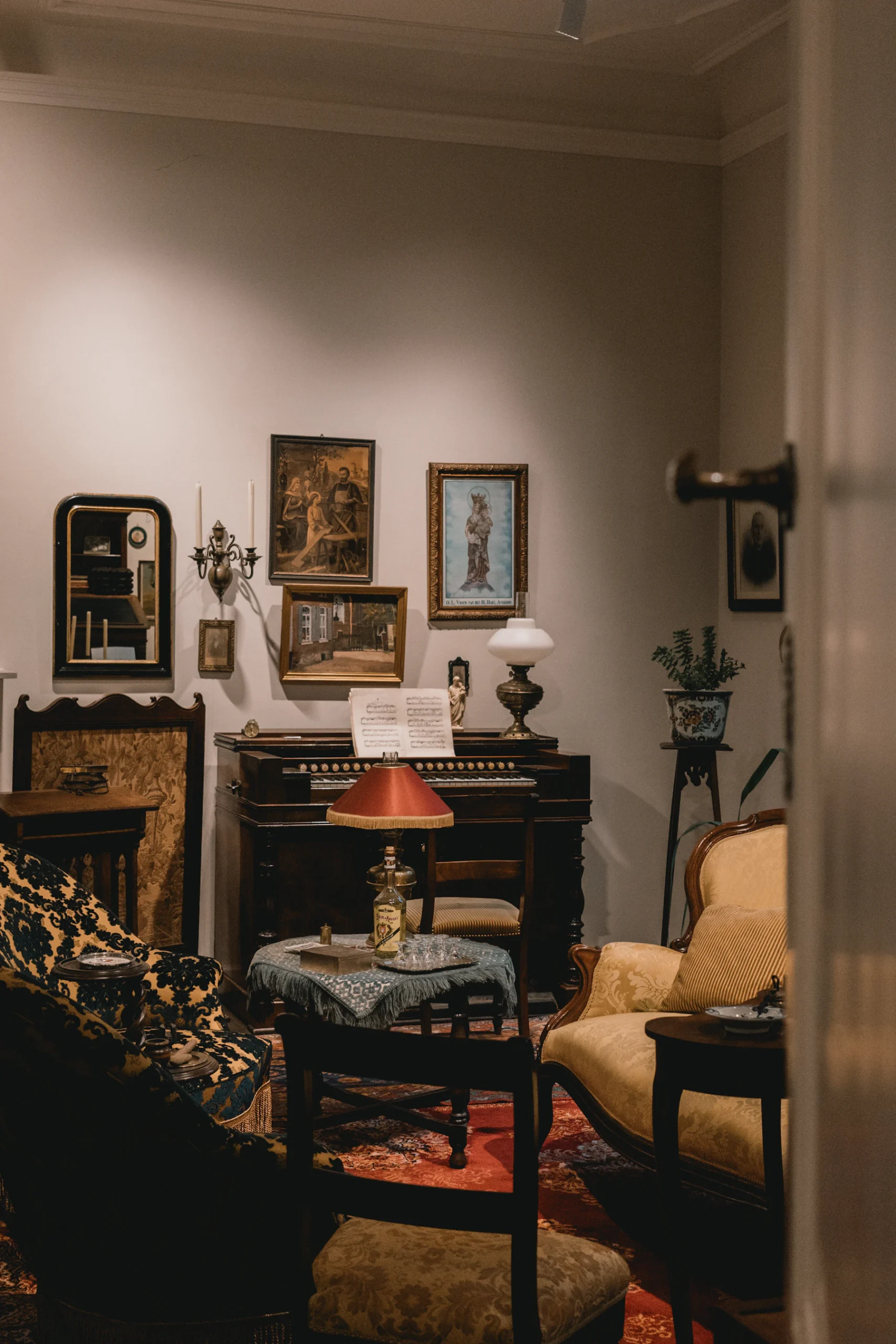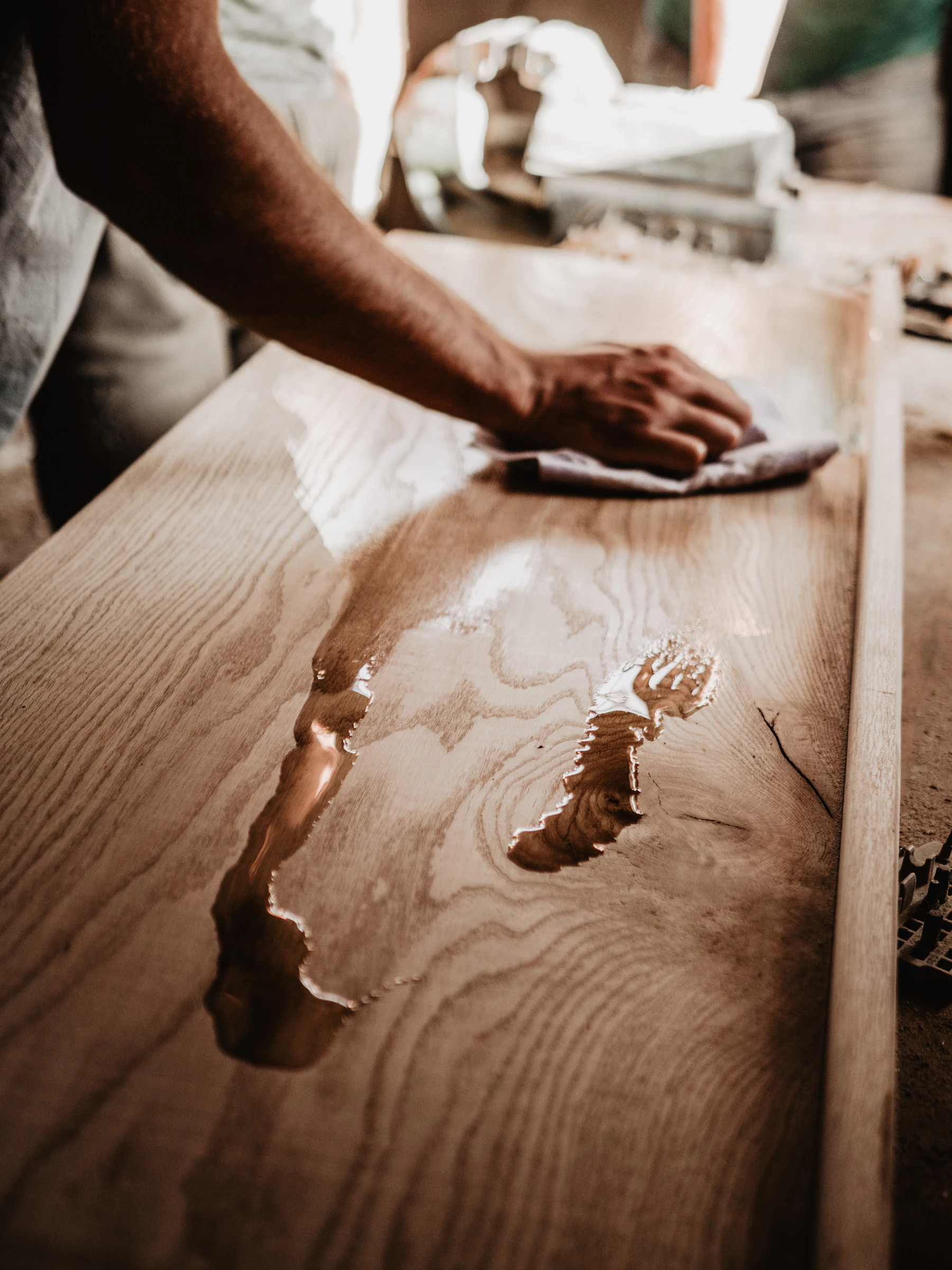
Von has always been a champion of preservation. She believes quality furniture should last generations, and she’d rather breathe new life into a well-loved family piece than send it to the landfill and buy something that won’t outlive its warranty. But not every old chair deserves a second life. Here’s how to tell the difference.
Three questions to ask
- Is it well made? Good bones are worth investing in; poor construction rarely is, no matter how pretty.
- Is it valuable? Some antiques are worth more untouched. Restoring them the wrong way can cost you.
- Does it matter to you? Sentiment is a legitimate reason to restore. A grandmother’s rocker may be worth more to your family than any appraisal.
How to judge construction
Case pieces (dressers, sideboards, tables)
- Solid wood rather than particleboard: look at unfinished edges, the backs and the insides of drawers.
- Dovetail joints on drawers (interlocking fingers at the corners) rather than staples or glue alone.
- Drawers that glide on wood runners or quality slides, with dust panels between them.
- Weight. Well-made furniture is usually heavy.
Upholstered pieces (sofas, chairs)
- A kiln-dried hardwood frame with joints that are doweled, glued and reinforced with corner blocks. Lift one front corner a few inches; if the other front leg rises almost immediately, the frame is rigid. If it twists, the frame is weak.
- Springs: eight-way hand-tied coils are the gold standard; sinuous (zigzag) springs are acceptable; webbing alone is a sign of cheaper construction.
- Classic lines. A good shape is worth re-covering; a dated, oddly proportioned one usually isn’t.
When not to refinish
The finish on an antique, including its wear, color and patina, is part of its history and much of its value. Stripping and refinishing a fine period piece can destroy a large share of what it’s worth. For valuable or very old furniture:
- Clean first. Decades of grime and old wax often hide a sound finish.
- Rejuvenate rather than strip. Specialized treatments can revive dry, dull or faded finishes and blend minor wear without removing the original surface. Von’s studio has long used products such as New Life Furniture Masque for exactly this kind of gentle rejuvenation on well-loved heirlooms.
- Consult a professional conservator or appraiser before any major work on a piece you think may be valuable.
Caring for wood furniture
- Keep it out of direct sun, which fades and dries finishes, and away from heating vents, fireplaces and radiators.
- Steady humidity (roughly 35 to 55 percent) helps prevent cracking and loose joints. North Idaho winters, with forced-air heat, can get very dry; a humidifier helps both furniture and people.
- Dust with a soft, slightly damp cloth. Avoid silicone spray polishes, which build up and can complicate future restoration. A good paste wax once or twice a year is the traditional choice.
- Use coasters, felt pads and cloths under anything wet, hot or scratchy.
- Lift, don’t drag, especially chairs and tables, to protect legs and joints.
Making old pieces look current
Restoration isn’t only about repairs. New upholstery in a fresh fabric, updated hardware on a dresser, a glass top on a worn table or a new lampshade can make an heirloom feel at home in a modern room. Placement matters too; see the mix, not the match.
What about everything else?
If you’re downsizing or settling an estate and can’t keep it all, offer pieces to family first, then consider consignment, estate sales, auction houses for valuable items, and donation. Photograph what you let go; the memory stays even when the furniture doesn’t. More in downsizing with grace.
The takeaway
Judge the bones, respect the patina and honor the sentiment. Restore what is well made or meaningful, care for it properly, and let go of the rest with a clear conscience.
Further reading
- American Institute for Conservation: find a conservator and collection-care resources